Row rect Shape Decorative svg added to bottom

Children's health

Menu

    Healthier Together

    The Healthier Together website offers trusted healthcare advice for families and is designed to support decision-making when children are unwell.

    The site has been reviewed by local paediatricians, GPs, and clinicians and aims to boost confidence in managing children’s health at home and knowing when to seek professional help.

    It can be very worrying when your child is unwell, and it may not be clear what the best course of action to take is.

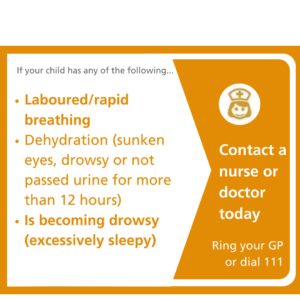
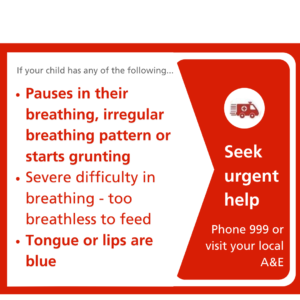
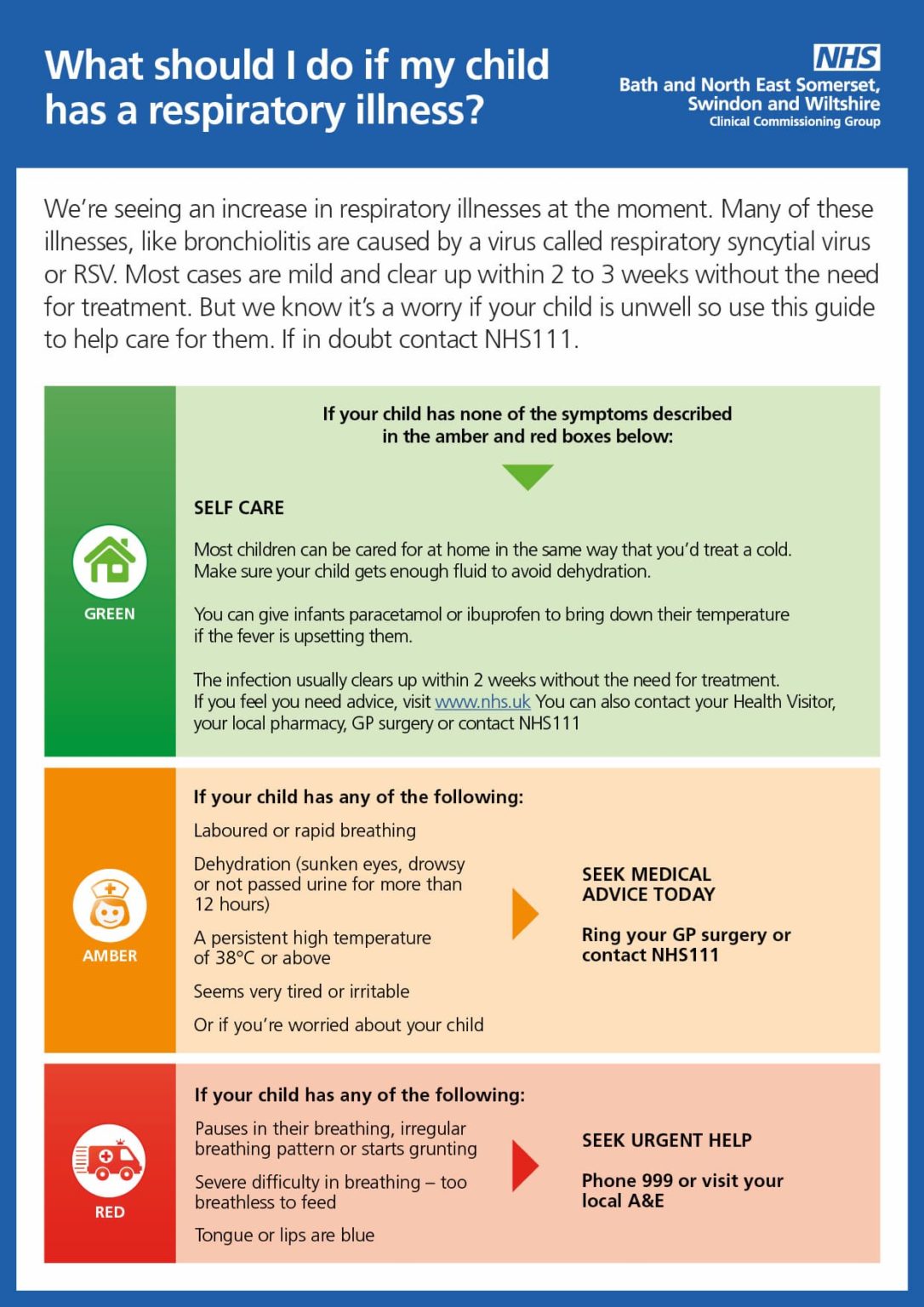
    The site includes a traffic light guide to help identify the severity of a child’s symptoms. Green indicates low risk, amber suggests seeking advice from a GP or NHS 111, and red advises calling 999 or visiting an emergency department.

    Parents can visit the website or download the App, giving them trusted health information at their fingertips.

    NHS 111

    If you need medical help fast, but it’s not a 999 emergency; or you want advice about treating your child's symptoms at home; or you need to access a local medical service but you're not sure which one, start with NHS 111.

    NHS 111 is available 24 hours a day, 365 days a year. Visit the NHS 111 website or call 111 free from your landline or mobile phone.

    Trained advisors will ask you a series of questions to assess your child’s symptoms and then if necessary, book an appointment for you to attend the local healthcare service that’s right for them. If the NHS 111 team think you need an ambulance, they will send one immediately.

    Pharmacies

    Pharmacists are trained medicine experts who can give you advice on treating a range of common childhood conditions and minor injuries such as:

    • sore throat
    • coughs
    • colds and flu
    • insect bites
    • earache
    • skin rashes

    You don't need to make an appointment to visit your local pharmacist, and many pharmacies are open during the evening and at weekends. Find your nearest pharmacy.

    Respiratory illness in children

    Colds, coughs and ear infections are common in babies and young children because their immune systems are still developing.  

    While most colds clear up on their own within two weeks, parents can make their child’s recovery more comfortable by ensuring they rest, stay hydrated and take paracetamol or ibuprofen to relieve pain or fever.  

    Coughs and sore throats often accompany a cold, and while the conditions usually only last for a short time, both can be extremely unpleasant, especially for babies and very young children.  

    Parents should seek medical advice, such as using NHS 111 or visiting a pharmacy, if their child has a sore throat for more than three days, a high temperature or their symptoms gradually worsen. 

    Some children’s colds may also come with an ear infection, which can be painful and particularly irritating.  

    It’s important for parents not to put anything in the child’s ear unless told to do so by a health and care professional.  

    Find out more about acute respiratory infections.

    The NHS website has dedicated advice for parents on when to keep children off school, as well as information on how to treat common childhood illnesses, both of which can be found at www.nhs.uk/live-well/is-my-child-too-ill-for-school

    We see an increase in severe respiratory illness like broncholitis in children over the winter months. Many of these illnesses are caused by a virus called respiratory syncytial virus or RSV.

    Parents are encouraged to look out for symptoms of severe respiratory infection in at-risk children, including a high temperature of 37.8°C or above (fever), a dry and persistent cough, difficulty feeding, rapid or noisy breathing (wheezing).

    For the majority of children, these illnesses will not be serious and they will soon recover following rest and plenty of fluids.

    Most cases of bronchiolitis are not serious and clear up within 2 to 3 weeks, but parents should contact their GP or call NHS 111 if:

    • Their child struggles to breathe.
    • Their child has taken less than half their usual amount during the last 2 or 3 feeds, or they have had a dry nappy for 12 hours or more.
    • The child has a persistent high temperature of 37.8C or above.

    Some children under 2 years, especially those born prematurely or with a heart condition, can suffer more serious consequences from these common respiratory infections.


    Find out more about RSV using the dropdown list of FAQs below
    RSV FAQs

    What should I do if my child has a respiratory illness?
    How is RSV infection spread?
    What are the symptoms of RSV infection?
    Who is most at risk of RSV infection?
    How is an RSV infection diagnosed?
    Is there a vaccine against RSV infection?
    When should you seek help for a child with RSV infection?
    What remedies are available to relieve RSV symptoms?
    How is RSV infection treated?
    What can you do to reduce the chance a child getting RSV infection?
    How can we prevent the spread of RSV?
    Who is most at risk of severe illness?
    How transmissible is RSV?
    How soon after exposure do symptoms appear and when will I feel better?
    How do you discern the difference in symptoms between RSV and other Childhood Respiratory viruses?

    Caring for children with coughs

    The University of Bristol have created a leaflet on how to look after a child who has a cough (not due to asthma).

    Not sure what to do?

    Get instant access to expert advice via a free mobile app, called Healthier Together.

    The Healthier Together website offers trusted healthcare advice for families and is designed to support decision-making when children are unwell.

    Parents can visit the website or download the App, giving them trusted health information at their fingertips.

    Search for 'NHS Healthier Together' in your app store to download Healthier Together now.

    Group A Strep

    What should parents look out for?
    How is it spread?
    Which infections does GAS cause?
    What is invasive group A strep?
    Which infections does invasive group A strep cause?
    What is being done to investigate the rise in cases in children?
    How can we stop infections from spreading?