
Respiratory syncytial virus (RSV)
The RSV vaccine helps protect against respiratory syncytial virus (RSV) infections, a common virus that can make babies and older adults seriously ill. It's offered on the NHS if you're pregnant or at higher risk of getting seriously ill from RSV.
RSV is a common cause of coughs and colds. Most people get it several times during their life.
It usually gets better by itself, but in some people (especially babies and older adults) it can cause illnesses, such as:
- pneumonia (a lung infection)
- bronchiolitis (a chest infection that affects babies)
These illnesses can cause serious breathing problems. They may need to be treated in hospital and can be life-threatening.
Getting an RSV infection can also make your symptoms worse if you have a lung condition, such as chronic obstructive pulmonary disease (COPD).
The RSV vaccine helps reduce the risk of serious breathing problems like pneumonia and bronchiolitis.
Eligibility
You can get a free RSV vaccination on the NHS if:
- you're 28 weeks pregnant or more – this will help protect your baby for the first few months after they're born
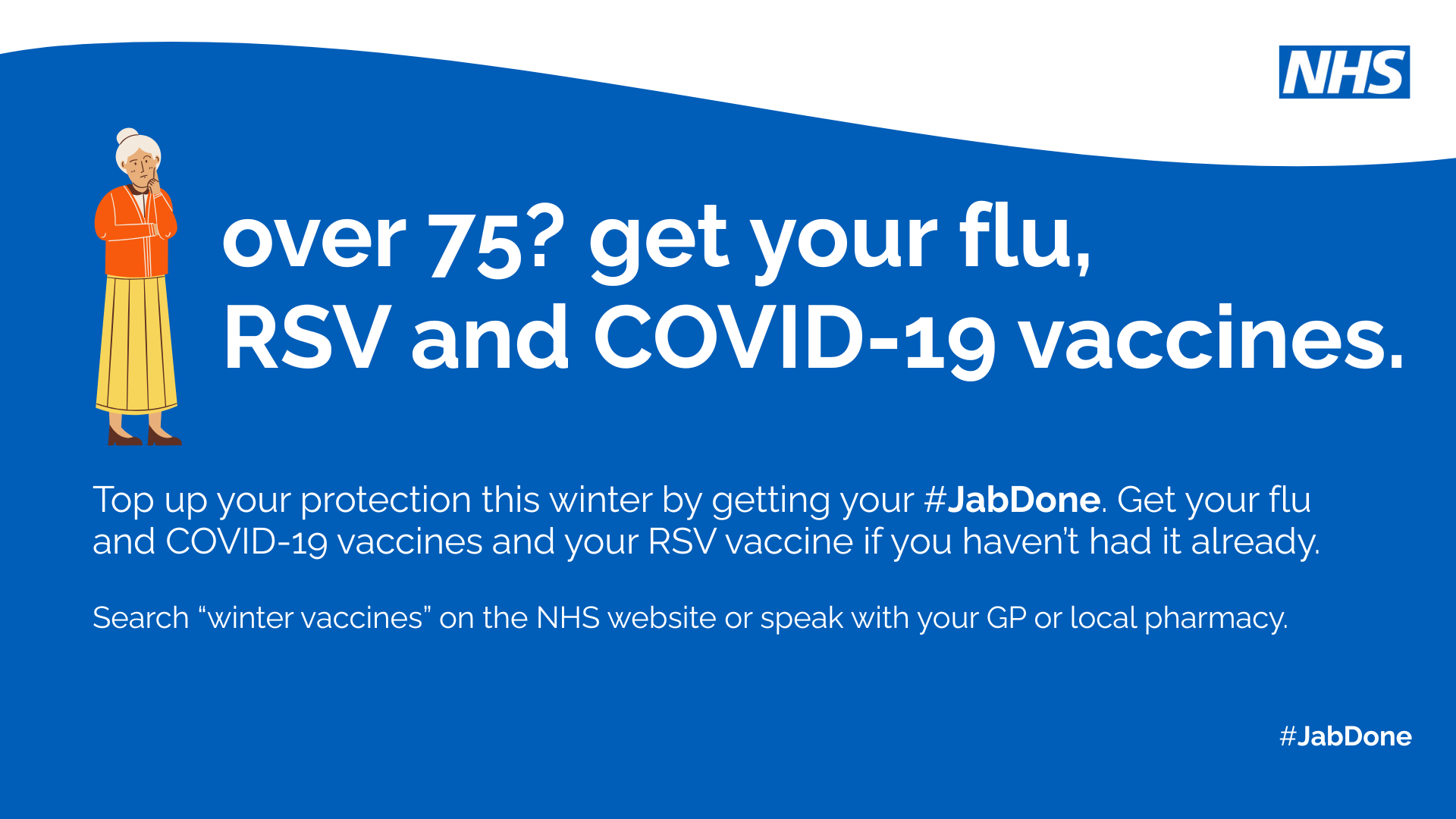
- you're aged 75 or over
- you're aged 65 to 74 and have a weakened immune system or have a long-term lung condition (this does not include asthma that is under control)
- you live in a care home for older adults
The vaccine helps reduce the risk of RSV causing serious problems, such as pneumonia and bronchiolitis.
Find more information with the RSV vaccine factsheet on GOV.UK
How to get the RSV vaccine
There are different ways to get the RSV vaccine.
If you're pregnant
You should be offered the RSV vaccine around the time of your 28-week antenatal appointment.
Getting vaccinated as soon as possible from 28 weeks will provide the best protection for your baby. But the vaccine can be given later if needed, including up until you go into labour.
Speak to your maternity service or GP surgery if you're 28 weeks pregnant or more and have not been offered the vaccine.
If you're aged 75 or over
Your GP surgery will contact you about getting the RSV vaccine. This may be by letter, text, phone call or email.
If you’re aged 65 to 74 and have a weakened immune system or long-term lung condition
Your GP surgery will contact you about getting the RSV vaccine. This may be by letter, text, phone call or email.
If you live in a care home for older adults
Speak to a member of staff at your care home about how to get the RSV vaccine.
Find out more about the RSV vaccination
Co-administration
Those aged 75 or over, and you’ve not already received the RSV vaccine, you can book in to get RSV at the same time as your COVID-19 vaccine. Find out more