
Row rect Shape Decorative svg added to bottom

Self care week

Menu

    Self Care Week reminds us to exercise self care for life


    Self Care Week is the annual national event that raises awareness of what we can all do to improve our physical health and mental wellbeing. This year, the theme is Exercise Self Care for Life.

    Incorporating the practise of self care into our everyday lives can help us to live as healthily as possible. And there’s evidence that suggests being as healthy as we can also help us to better cope with life’s challenges that come our way.

    The important thing to remember is, practising self care is something we all need to do every day. For ourselves. For our families. And for the NHS.
    self care week
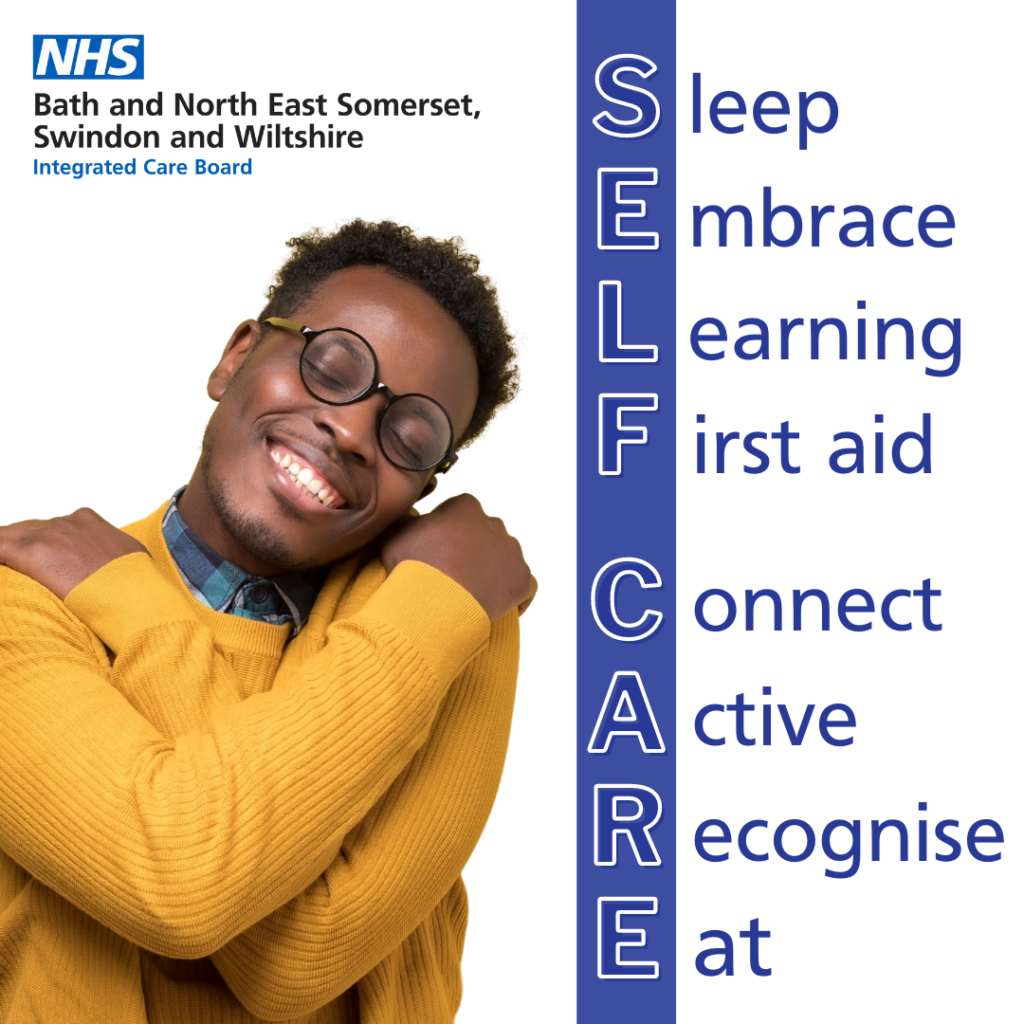
    Sleep

    Many cases of tiredness are due to stress, not enough sleep, poor diet and other lifestyle factors. Try these self-help tips to restore your energy levels:

    • Eat regularly to beat tiredness
    • Get moving
    • Lose weight to help gain energy
    • Reduce stress to beat fatigue
    • Cut out caffeine
    • Drink less alcohol
    • Drink more water - dehydration can cause fatigue and brain fog
    • Try to go to sleep and wake up at a similar time each day- a weekend lie in doesn't make up for a week of poor sleep

    Check out the NHS Live Well website for more healthy living advice.

    Embrace

    It’s okay not to be okay, talk to people and let them know what’s going on because people care. Embrace who you are and remember your mental health does not define you- it’s just a part of what makes you, you!

    For information on how to access local support or online advice, visit our Mental Health webpage.

    Learning

    Continued learning through life enhances self-esteem and encourages social interaction and a more active life. Anecdotal evidence suggests that the opportunity to engage in work or educational activities particularly helps to lift older people out of depression. The practice of setting goals, which is related to adult learning in particular, has been strongly associated with higher levels of wellbeing.

    Why not learn something new today? Here are a few more ideas:

    • Find out something about your colleagues
    • Sign up for a class
    • Read the news or a book
    • Set up a book club
    • Do a crossword or Sudoku
    • Research something you’ve always wondered about
    • Learn a new word

    Source: Mind UK: Five ways to wellbeing

    First Aid

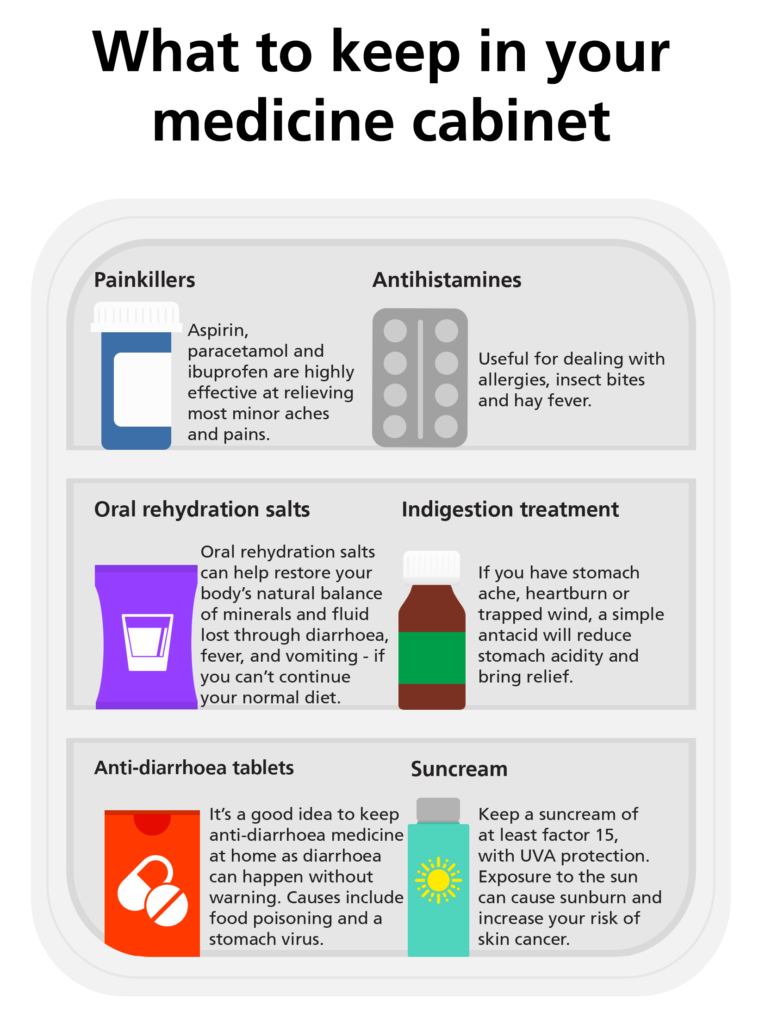
    Having a well-stocked medicine cabinet can be the best first line of defence against niggling cold weather illnesses and helping to stay well. Minor seasonal ailments, such as coughs, colds, sore throats and upset stomachs, are usually more prevalent during the colder months of the year.

    Staying well throughout the autumn and winter can be made easier by keeping a supply of over-the-counter medicines in the home. Painkillers, such as paracetamol, ibuprofen and aspirin, can help with colds and flu by reducing aches, pains and high temperatures. Other medicine cabinet staples, such as oral rehydration salts, which can help prevent dehydration after a bout of sickness and diarrhoea, and antihistamines, which can sooth painful insect bites, also have a vital role to play.


    Find out more from our Self Care webpages.

    Connect

    There is strong evidence that indicates that feeling close to, and valued by, other people is a fundamental human need and one that contributes to functioning well in the world.

    It’s clear that social relationships are critical for promoting wellbeing and for acting as a buffer against mental ill health for people of all ages.

    With this in mind, try to do something different today and make a connection.

    • Talk to someone instead of sending an email
    • Speak to someone new
    • Ask how someone’s weekend was and really listen when they tell you
    • Put five minutes aside to find out how someone really is 
    • Give a colleague a lift to work or share the journey home with them
    Active

    Regular physical activity is associated with lower rates of depression and anxiety across all age groups. Exercise is essential for slowing age-related cognitive decline and for promoting well-being. But it doesn’t need to be particularly intense for you to feel good - slower-paced activities, such as walking, can have the benefit of encouraging social interactions as well providing some level of exercise.


    Today, why not get physical? Here are a few ideas:

    • Take the stairs not the lift
    • Go for a walk at lunchtime
    • Walk into work - perhaps with a colleague – so you have someone to chat with
    • Get off the bus one stop earlier than usual, or park further away, and walk the final part of your journey 
    • Organise a work sporting activity
    • Have a kick-about in a local park
    • Get into the habit of stretching every morning or evening
    • Walk to someone’s desk instead of calling or emailing
    Recognise

    Reminding yourself to ‘take notice’ can strengthen and broaden awareness.

    Studies have shown that being aware of what is taking place in the present directly enhances your well-being and savouring ‘the moment’ can help to reaffirm your life priorities. Heightened awareness also enhances your self-understanding and allows you to make positive choices based on your own values and motivations.

    Take some time to enjoy the moment and the environment around you. Here are a few ideas:

    • Get a plant for your workspace
    • Have a ‘clear the clutter’ day
    • Take notice of how your colleagues or friends are feeling 
    • Take a different route on your journey to or from work
    • Visit a new place for lunch
    Eat

    Knowing what foods we should and shouldn’t be eating can be really confusing, especially when it feels like the advice changes regularly. However, evidence suggests that as well as affecting our physical health, what we eat may also impact our mood.

    If your blood sugar drops you might feel tired, irritable and depressed. Eating regularly and choosing foods that release energy slowly will help to keep your sugar levels steady. Slow-release energy foods include: pasta, rice, oats, wholegrain bread and cereals, nuts and seeds.

    Here are a few quick tips:

    • Eating breakfast gets the day off to a good start
    • Instead of eating a large lunch and dinner, try eating smaller portions spaced out more regularly throughout the day
    • Avoid foods which make your blood sugar rise and fall rapidly, such as sweets, biscuits, sugary drinks, and alcohol

    Visit the NHS Live Well website for more healthy eating advice.

    More self care tools